July 4th Offers Stargazers a Rare Opportunity to Spot Distant Uranus Near Mars
On July 4th, Mars and Uranus will appear exceptionally close in the predawn sky, offering a rare chance to spot the faint ice giant. Learn how to find this unique celestial alignment.
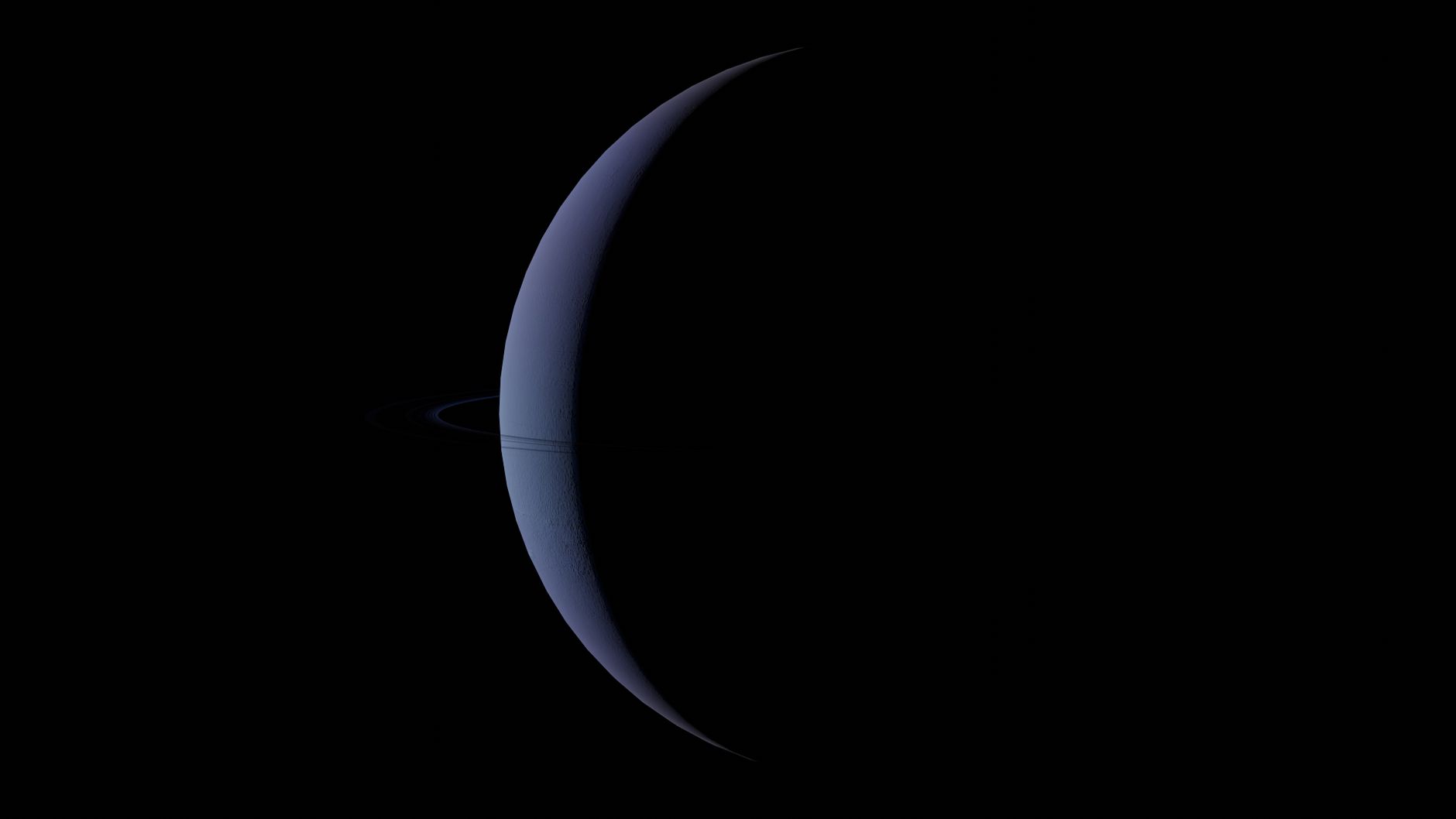
This Independence Day morning presents a truly exceptional celestial event for skywatchers across the globe. The distant ice giant Uranus, typically a challenging object to observe, will pass extraordinarily close to Mars in the predawn sky. This rare conjunction offers one of the best opportunities in decades to glimpse the seventh planet from the Sun, even with modest optical aid, making it a prime target for amateur astronomers and curious observers alike.
What happened
Early on Saturday, July 4, around 4 a.m. local daylight time, Mars and Uranus will appear remarkably close together in the east-northeast sky. The two planets will reach their closest point at 5 a.m. Universal Time (UTC) on July 4, separated by only 6 arc minutes. To put this into perspective, this separation is half the apparent distance between the stars Mizar and Alcor in the Big Dipper's handle. Mars, currently at about magnitude +1.3, will serve as a convenient guide, rising approximately half an hour before dawn's first light, positioned about 5.5 degrees directly below the Pleiades star cluster.
Uranus, a faint object at roughly sixth magnitude, is usually near the threshold of naked-eye visibility and easily lost among background stars. However, its close proximity to Mars on this occasion significantly aids in its identification. Observers using binoculars or a small telescope can point directly at Mars and then look for a much fainter, star-like point of light almost directly above it. Uranus will appear as a tiny greenish star, about 1/63 as bright as Mars, and for those with telescopes, an even fainter eighth-magnitude star, HIP 19146, might be visible about 2 arc minutes below Uranus.
Why it matters
This conjunction is not merely a pretty sight; it's a significant event due to its rarity and the unique opportunity it presents. While Mars and Uranus align roughly every 2.38 years, a close approach as visible and accessible as this one occurs only about once every 40 years. The next similarly favorable viewing opportunity isn't expected until December 8, 2147. For many, this July 4th offers a once-in-a-lifetime chance to observe Uranus without requiring advanced equipment or extensive sky-mapping skills, making the distant ice giant accessible to a broader audience of stargazers and fostering a deeper connection to our solar system's outer reaches.
- Offers a rare, once-in-a-generation opportunity to view Uranus.
- Mars acts as a bright guide, simplifying the challenge of locating faint Uranus.
- Visible with common optical aids like binoculars or small telescopes.
- Requires very dark skies, away from significant light pollution, for best viewing.
- Uranus is extremely faint, making naked-eye observation challenging even under ideal conditions.
- The event occurs in the predawn hours, necessitating an early start.
How to think about it
To maximize your chances of witnessing this rare alignment, preparation is key. First, identify a viewing location with minimal light pollution; the darker your sky, the better. Plan to be out well before 4 a.m. local time, allowing your eyes to adjust to the darkness. Use a star chart app or a physical star map to locate Mars in the east-northeast, recognizing its position relative to the Pleiades. While Uranus will appear as a tiny, faint dot, the satisfaction comes from knowing you are observing a distant ice giant, nearly 1.88 billion miles away, visible only because of this unique celestial dance. Manage your expectations: Uranus will not be a dazzling spectacle, but a subtle, rewarding observation of a remote world.
FAQ
What time should I look for Mars and Uranus on July 4th?+
The best time to look is around 4 a.m. local daylight time on July 4th, before the first light of dawn. The planets will be at their closest conjunction at 5 a.m. Universal Time (UTC), so adjust for your specific time zone.
Do I need a telescope to see Uranus during this conjunction?+
While Uranus is technically near the limit of naked-eye visibility under very dark skies, binoculars or a small telescope are highly recommended. Mars will serve as an excellent guide, making it easier to pinpoint the much fainter Uranus.
How rare is this close alignment between Mars and Uranus?+
This particular close and visible conjunction of Mars and Uranus is quite rare, occurring only about once every 40 years. The next similarly favorable viewing opportunity is not expected until December 8, 2147, making this a truly special event for current stargazers.
- astronomy·5 min readStargazing for Patriots: Three Celestial Targets Celebrating America's 250th
Celebrate America's 250th birthday by exploring unique night sky targets. Discover the Apollo 11 landing site, the star Spica, and the constellation Aquila, connecting history with the cosmos.
- astronomy·5 min readSeismic Data Reveals Ancient Magma Oceans on Mars, Hinting at Broader Habitable Conditions
NASA's InSight mission data suggests Mars once harbored vast magma oceans beneath its crust. This discovery challenges assumptions about planetary habitability and tectonic activity.
- astronomy·4 min readJune's Strawberry Moon Delights Skywatchers Globally with its Lowest Path of the Year
The June Strawberry Moon, the lowest full moon of the year for the Northern Hemisphere, captivated skywatchers worldwide. Stunning photos captured its dramatic rise across various global landmarks.