Navigating the Labyrinth: How 'Mystery Box' Sci-Fi Shows Like Silo Challenge Creators and Cast
Explore the intricate challenges faced by the cast and crew of complex 'mystery box' sci-fi series like Apple TV+'s Silo, especially as stories expand across multiple timelines and secrets.
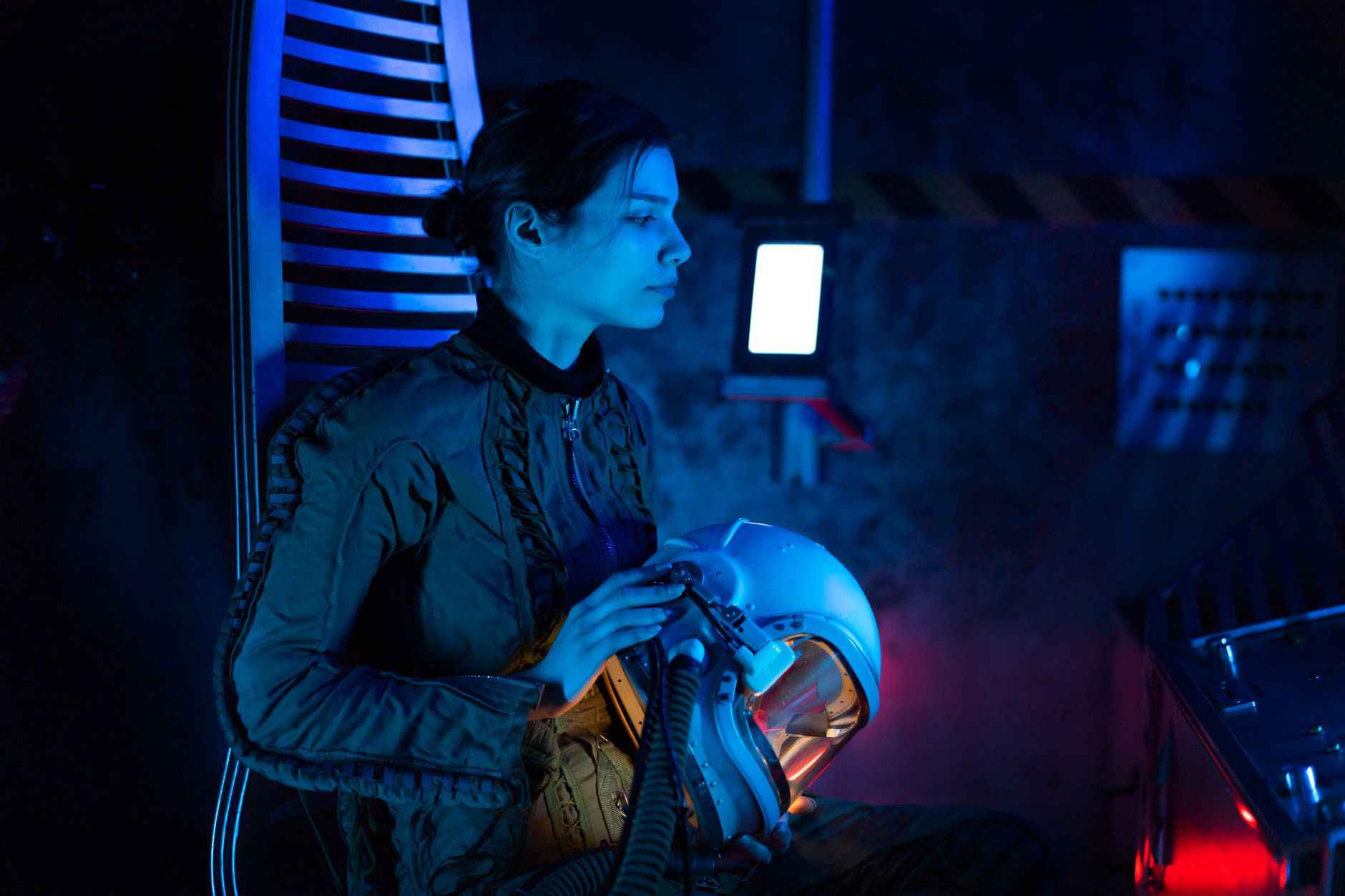
Complex narratives, often dubbed "mystery box" shows, are a hallmark of modern sci-fi television, drawing viewers into intricate worlds filled with secrets and unfolding revelations. However, the very complexity that captivates audiences also presents immense challenges behind the scenes. Even seasoned showrunners and actors on series like Apple TV+'s Silo find themselves grappling with the intricate plot details and multiple timelines, highlighting the profound collaborative effort and meticulous planning required to keep such ambitious stories coherent.
What happened
Showrunner Graham Yost openly admits to instances where even he, at the helm of Silo, has overlooked crucial plot points, requiring corrections from actors or the localization team. As the series progresses into its final seasons, the narrative's complexity only intensifies, necessitating a dedicated team to track continuity and prevent errors. Yost emphasizes the collaborative spirit essential for managing such an expansive story.
Season 3 of Silo significantly broadens the story's scope, introducing multiple timelines that jump between the familiar bleak future and a present-day world where the decisions leading to humanity's underground existence were made. This expansion, coupled with protagonist Juliette's memory loss after venturing between silos, ratchets up the narrative challenge. Scenes are rarely shot in chronological order, forcing actors to maintain a deep understanding of their character's journey across disparate points in time.
To cope with this, the cast employs various strategies. Alexandria Riley, who plays Camille Sims, highlights the value of daily "story time" meetings with directors to review plot progression. Rebecca Ferguson notes the crucial role of the hair-and-makeup team in tracking physical changes like scars, which serve as vital continuity markers. Common, playing Robert, mentions relying on peer support, with actors like Riley and himself conducting separate rehearsals to ensure they are aligned on their characters' arcs and the overarching narrative.
Why it matters
Maintaining narrative coherence and audience engagement in highly serialized, secret-driven shows like Silo is paramount. The "mystery box" format, while exciting, places unique demands on creative teams, pushing the boundaries of production logistics and actor performance. If not meticulously managed, inconsistencies can emerge, eroding viewer trust and immersion. For audiences, a well-executed complex narrative offers a deeply rewarding experience, but a poorly managed one can lead to frustration and disengagement. For production teams, it means investing heavily in continuity supervision, detailed story bibles, and constant communication. For actors, it requires an exceptional level of commitment to understanding their character's entire arc, not just the scene at hand.
- Engages audiences with deep lore and unfolding secrets.
- Fosters intense collaboration across production departments.
- Challenges actors to develop profound character understanding.
- High risk of plot holes or inconsistencies.
- Can lead to confusion for both creators and viewers.
- Demands extensive resources for continuity and planning.
How to think about it
For creators and showrunners, the lesson is clear: robust internal documentation, dedicated continuity teams, and regular story briefings are not optional luxuries but essential tools for managing intricate narratives. Establishing a "story time" ritual for cast and crew can significantly mitigate confusion. For viewers, appreciating the immense effort behind these shows can enhance the experience; don't be afraid to re-watch episodes or consult fan wikis for clarity. Understand that minor inconsistencies might be an inevitable byproduct of such ambitious storytelling. For actors, developing personal tracking methods, leaning on the production team for guidance, and engaging deeply with character arcs beyond the script are key to delivering authentic performances amidst narrative complexity.
FAQ
What is a 'mystery box' show?+
A "mystery box" show is a narrative style that introduces many unanswered questions and secrets early in its run, gradually revealing them over the course of the series to maintain suspense and intrigue. This format encourages speculation and deep engagement from the audience.
How do actors prepare for non-chronological shooting in complex shows?+
Actors often rely on detailed briefings from directors, consult with continuity departments (like hair and makeup for physical changes), and may conduct personal or peer rehearsals to meticulously track their character's emotional and physical journey across scenes that are shot out of order.
What are the biggest risks for a show like Silo with its expanding complexity?+
The primary risks for a show like Silo include introducing plot inconsistencies that break immersion, confusing the audience with too many timelines or unresolved questions, and over-burdening the production team with the immense demands of maintaining continuity across an increasingly intricate narrative.
- explainers·4 min read"Silo" Season 3: Unraveling the Mysteries of Humanity's Underground Survival and Its Origins
Apple TV's hit dystopian series "Silo" returns for its third season on July 3, 2026, diving deeper into the underground bunkers and the catastrophic "Before Times." Discover how to watch and what to…
- explainers·3 min readTopic Mismatch: Local Fire Incident and Space Blog Content Alignment
This post addresses the challenge of creating space and astronomy content from a local news report about a barn and camper fire, highlighting the thematic disconnect.
- explainers·2 min readTopic Mismatch: Cannot Generate Space/Astronomy Post from Sports News
The provided topic concerns a soccer match, which is outside the scope of space and astronomy content. A valid blog post cannot be generated.